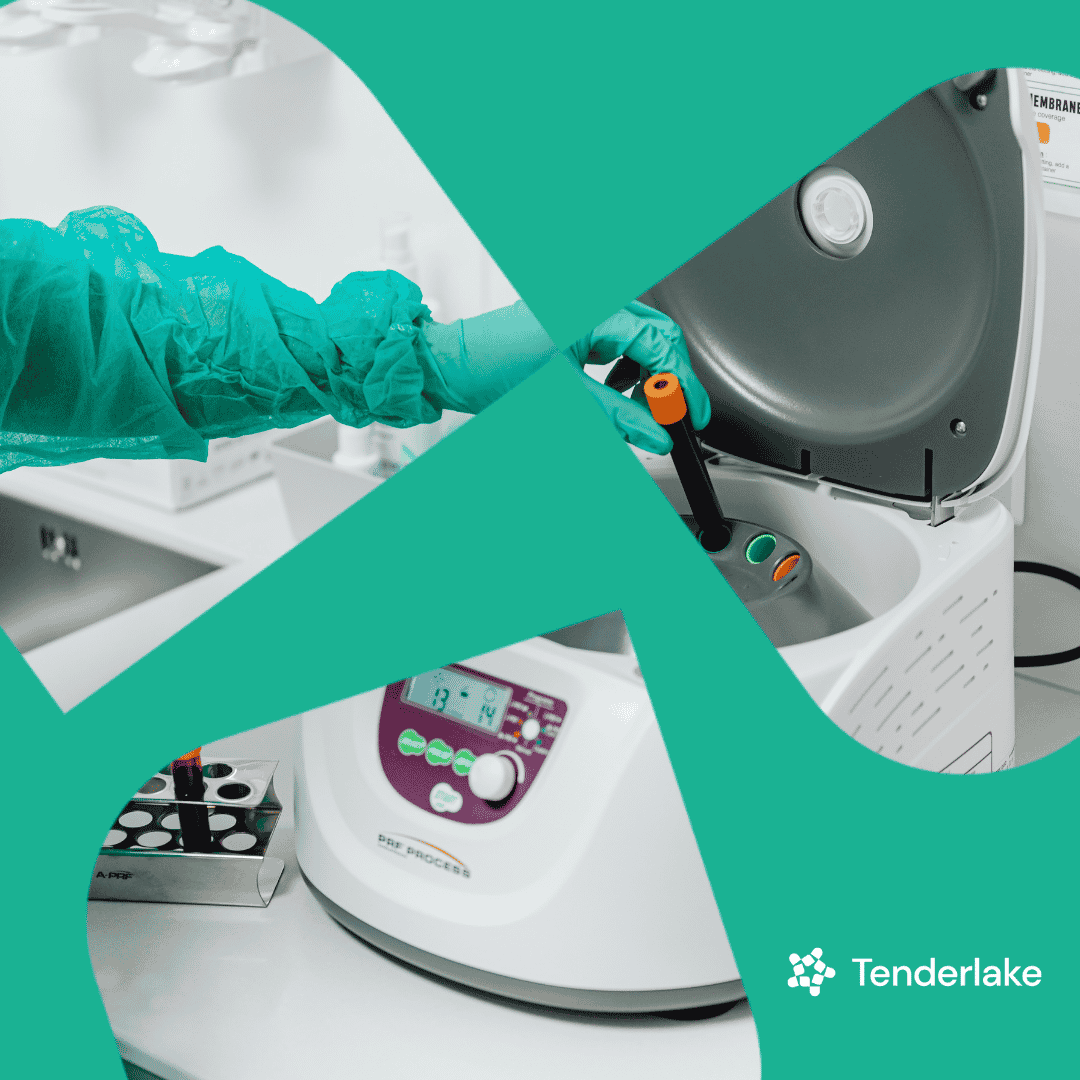
Hospital launches tender for rental genetic testing system
A major hospital is seeking a rented system for genetic tumour testing to support targeted cancer therapies, signalling growing demand for advanced lab platforms.
A major hospital is seeking a rented system for genetic tumour testing to support targeted cancer therapies, signalling growing demand for advanced lab platforms.
Follow Tenderlake on LinkedIn for concise insights on public-sector tenders and emerging procurement signals.
A.O.U. Policlinico BARI has released a tender for the rental of a complete system for genetic tests on tumour material, aiming to support targeted cancer therapies through dedicated oncological panels.
The notice, published on 5th May 2026, focuses on a single but significant objective: to secure a complete system capable of running genetic tests on tumour material and delivering results that can guide target therapy. Rather than procuring individual instruments or reagents, the hospital is seeking an integrated solution that covers the full workflow required for these analyses.
The reference to oncological panels suggests a broad testing capability, with panels designed to interrogate multiple genetic markers in a single run. This approach reflects a wider move in oncology towards comprehensive profiling of tumours to inform treatment choices.
For laboratories, bringing such testing in house through a rental system can help standardise methods, stabilise costs and ensure access to an up‑to‑date platform without the capital outlay of an outright purchase. It also places a premium on reliability and throughput, as the system will be used to generate data that directly influence treatment decisions.
The choice of a rental model places this tender within a broader shift in how hospitals source advanced diagnostics. Instead of buying analysers and then tendering separately for consumables, many buyers now favour bundled contracts that combine equipment access with reagents and other support services.
In December 2025, the Provincial Health Authority of Enna launched a full risk rental supply of equipment and consumables for transfusion medicine and clinical pathology laboratories. That procurement explicitly couples instrument rental with the materials needed for daily operation, signalling a move towards predictable, all‑inclusive arrangements.
A similar pattern appears in the tender published on 26th February 2026 by Azienda Ospedaliera Universitaria Integrata di Verona, which covers the supply of diagnostic systems for clinical chemistry, immunometry and pre‑analytical processes, including rental equipment, divided into two lots. Here too, equipment access is embedded in a wider diagnostic offer rather than treated as a separate capital purchase.
On 10th February 2026, ASP Catanzaro set out a turnkey supply of diagnostic equipment, reagents and consumables for Clinical Pathology Units in several hospitals, structured across four lots. This reflects a growing preference for comprehensive packages that deliver operational readiness rather than individual items.
Against this backdrop, the Bari tender adds targeted oncology to the list of disciplines now covered by rental and service‑style procurements. For suppliers, it underlines the importance of offering integrated platforms, backed by secure reagent supply and strong technical support, as hospitals look for long‑term partners rather than one‑off hardware vendors.
The focus on genetic testing in oncology at A.O.U. Policlinico BARI comes amid a wider wave of investment in molecular diagnostics and sequencing technologies across healthcare and research institutions.
In December 2025, ASST dei Sette Laghi issued a tender for the procurement of NGS reagents and supplies for its Specialist Laboratory of Medical Genetics, including library preparation and sequencing cartridges for Illumina platforms. That notice highlights the sustained demand for consumables to keep high‑throughput sequencing facilities running.
On 28th January 2026, Grande Ospedale Metropolitano di Reggio Calabria went to market for the supply of reagents and sequencing cartridges for high‑throughput NGS analysis in clinical genetics. This reinforces the picture of next generation sequencing as a routine tool in clinical practice, requiring robust procurement pipelines for specialised reagents.
Beyond bulk sequencing, there is also interest in more specialised platforms. The Università della Calabria published a tender on 6th February 2026 for the supply of a single‑cell sequencing system for genomic and transcriptomic data analysis, pointing to growing research interest in high‑resolution cellular profiling.
Other buyers are targeting molecular diagnostics for infection control and broader clinical use. On 8th January 2026, AULSS N 1 Dolomiti advertised a contract for analytical systems and reagents for molecular biology investigations using Real Time PCR technology, covering sexually transmitted diseases, gastrointestinal infections and analyses for transplanted and immunocompromised patients.
In April 2026, ASL Viterbo sought the supply and installation of diagnostic systems and reagents for automated molecular biology tests for the clinical diagnostics laboratory at Santa Rosa Hospital, while ASL 3 Pescara, on 3rd April 2026, launched a tender for an analytical system and related reagents for molecular diagnostics to support surveillance of hospital infections.
On the oncology side, A.O. San Camillo Forlanini published a notice on 3rd February 2026 for the supply of reactive machine systems and rapid diagnostic systems for oncological molecular diagnostics focused on solid tumours. Taken together with the Bari rental tender, this points to a concerted effort by hospitals to expand and modernise molecular pathology services for cancer patients.
Larger clinical pathology contracts are also being configured to include molecular capabilities. On 16th March 2026, A.O. Cardarelli went to market for the supply of various analytical systems for clinical pathology examinations, spanning biochemistry, immunology, haematology, microbiology and molecular diagnostics. This underlines the tendency to bring molecular testing into the mainstream of routine laboratory medicine.
The Bari tender, although concise in its description, points towards a comprehensive genetic testing solution that can underpin target therapy. Based on similar procurements, buyers typically look for systems that offer:
The clusters of related procurements suggest that buyers are looking for more than hardware. They expect end‑to‑end support, from installation and validation through to user training and ongoing technical assistance. The prevalence of multi‑lot tenders, such as the four‑lot structure at ASP Catanzaro or the two‑lot configuration in Verona, also points to demand for scalable solutions that can serve different laboratories or clinical areas under a common framework.
Vendors with platforms that can flex between oncology, genetics and infectious disease applications may therefore find multiple entry points across the current pipeline of tenders. Those specialising in high‑throughput sequencing or niche technologies such as single‑cell analysis may focus on the research‑oriented opportunities emerging from universities and specialist centres.
As the tender from A.O.U. Policlinico BARI progresses, attention will centre on how the hospital defines the scope of its oncological panels, the performance criteria for the system and the service conditions attached to the rental. The outcome could influence how other institutions frame future procurements for target therapy support.
More broadly, the series of notices from late 2025 through the first half of 2026 indicates a sustained investment cycle in molecular diagnostics, spanning cancer care, infection control and advanced genomic analysis. How suppliers respond in terms of platform design, service models and pricing will help determine how quickly these capabilities translate into routine clinical practice.
Tenderlake Monitor reads every public sector notice published across the UK, the EU and the EEA, in the language it was published in, and tells you which ones match what your company sells and why. It works from a plain description of your business, not from keywords or CPV codes.
Follow Tenderlake on LinkedIn for concise insights on public-sector tenders and emerging procurement signals.