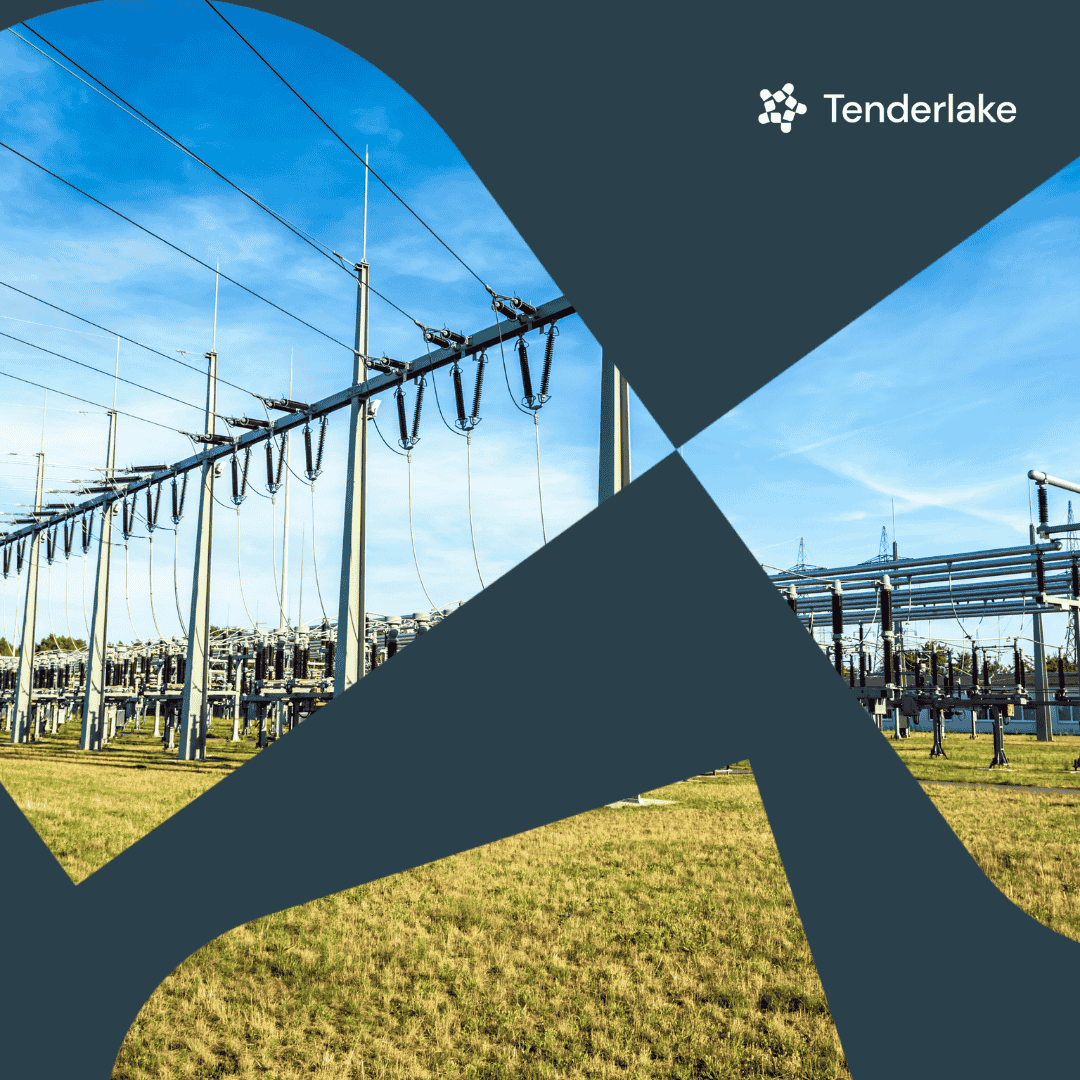
By & Havn seeks adviser for 132/30 kV shore power transformer
By & Havn is procuring advisory and project management to deliver a 132/30 kV transformer station, shifting Copenhagen’s cruise shore power to the 132 kV grid in 2028.
By & Havn is procuring advisory and project management to deliver a 132/30 kV transformer station, shifting Copenhagen’s cruise shore power to the 132 kV grid in 2028.
Follow Tenderlake on LinkedIn for concise insights on public-sector tenders and emerging procurement signals.
Technical Advice for Transformer Installation will help Copenhagen’s port developer move a new cruise shore power system from a temporary 30 kV feed to a permanent 132 kV supply by the end of 2028. The advisory brief is a key step in cutting emissions at berth and “future‑proofing” cruise calls, with the system sized for up to 52 MVA.
Udviklingsselskabet By & Havn I/S is tendering for technical advice and assistance to establish, manage and hand over a 132/30 kV transformer station that will sit between the local 132 kV grid and a 30 kV shore power converter station for cruise ships.
The shore power system has been designed for 30 kV connection with a power demand up to 52 MVA. Radius/NEXEL operates the 30 kV network, but connections above 50 MVA are referred to the 132 kV network. In Outer Nordhavn, 132 kV access is not expected until 2028. Until then, Radius/NEXEL has provided a temporary 30 kV connection capped at 20 MVA. Once the 132 kV grid is in place, the shore power connection must be moved.
Because the converter station is at 30 kV and the future supply will be 132 kV, a By & Havn-owned transformer station is required to step down the voltage. The adviser’s scope covers:
Advice linked to the separate EU tender for the 132/30 kV transformer itself, prior to contract signature with the supplier, is excluded from this agreement. In May 2025, By & Havn launched a dedicated procurement for the supply and installation of a 132/30 kV – 55 MVA power transformer to connect the shore power system to the grid.
The step-up to 132 kV is about capacity and resilience. With the shore power system sized up to 52 MVA, the 30 kV network’s role is temporary. The 132 kV interface brings the headroom needed for sustained cruise operations and aligns with the operators’ thresholds for high-demand connections.
The timetable is set by grid availability in Outer Nordhavn, with 132 kV access expected by the end of 2028. The adviser will help manage the transition, co-ordinating civil and electrical works, modelling, and engagement with Energinet. This is as much a grid integration exercise as it is a construction project.
By & Havn has been sequencing its shore power build-up. In August 2023, it tendered a turnkey package to establish cable connections to cruise berths at Oceankaj and Langelinie, including preparation for a future 132 kV supply alongside the temporary 30 kV feed (cable works contract). Today’s advisory tender picks up the next stage: making the 132/30 kV interface real.
Copenhagen is not alone in moving cruise shore power onto higher-voltage grids and dedicated transformer assets. Across northern Europe, ports are planning or building systems that mirror the same building blocks: high-voltage connection, frequency conversion to 50/60 Hz, and cable management to connect to ships.
Copenhagen’s staged approach—temporary 30 kV, then permanent 132/30 kV—tracks this regional shift to higher‑voltage connections and modular delivery. It also echoes policy momentum: Antwerp–Bruges explicitly framed its programme around the EU’s Alternative Fuels Infrastructure Regulation (AFIR), which points to shore power availability by 2030 for cruise terminals.
High‑voltage equipment and grid works are in high demand across the region. In August 2024, Schiphol published a voluntary transparency notice after receiving no tenders for a 150/20 kV transformer station, opting to proceed through collaboration with named firms and aiming for commissioning in December 2026 (Schiphol).
Transformer procurements also stack up into 2026 and beyond: in June 2024, BKK sought 132/21/11 kV three‑winding units for delivery in 2026 (Bergen), while in August 2024 Stadtwerke Karlsruhe tendered for nine 110/20 kV transformers (Karlsruhe). In October 2025, Sandviken Energi moved to buy four switchable power transformers for two receiving stations (Sandviken).
The grid context around Copenhagen is also active. In June 2024, Energinet sought civil and cable works for a 400 kV Øresund system project involving pipe installation, underdrilling and removals (Energinet Øresund 2). Elsewhere, grid companies are expanding substations—Landsnet, for instance, sought expansion works at four 66 kV sites in September 2024 (Iceland).
For ports, the interface to operations is another recurring theme. Bremerhaven’s tenders highlighted the need to avoid disruption to 24/7 terminal activity and to plan around space constraints. Elsewhere, equipment choices such as mobile, battery‑powered ship connection units in Kiel (April 2023) show how cable management is being adapted to local layouts (Kiel).
Watch for two milestones. First, the award of the advisory contract to steer construction and integration of the 132/30 kV transformer station, including modelling and coordination with Energinet. Second, progress on the separate transformer supply and installation contract published in May 2025, which will set the equipment baseline for the 2028 switch to the 132 kV grid.
In the wider region, more ports are firming up shore power plans under EU policy signals, while transformer and grid works remain busy. Copenhagen’s move to a permanent high‑voltage connection will be a decisive test of how quickly cruise berths can align operational needs, grid capacity and on‑shore plant delivery.
Tenderlake Monitor reads every public sector notice published across the UK, the EU and the EEA, in the language it was published in, and tells you which ones match what your company sells and why. It works from a plain description of your business, not from keywords or CPV codes.
Follow Tenderlake on LinkedIn for concise insights on public-sector tenders and emerging procurement signals.