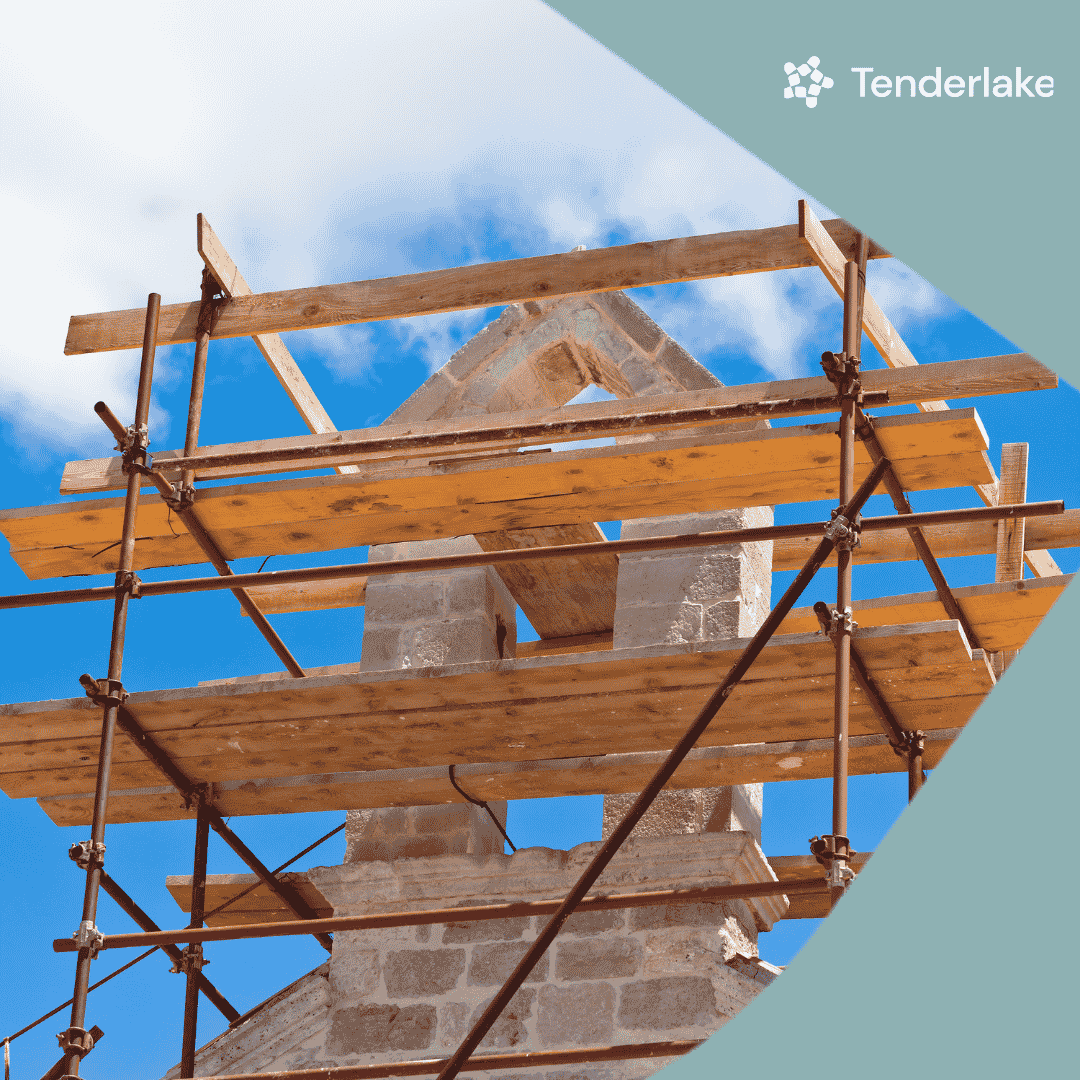
Regional body launches tender for heritage tourism works
Multi-site conservation, restoration and construction contract seeks suppliers to upgrade historic assets for culture and tourism, boosting the visitor offer.
Multi-site conservation, restoration and construction contract seeks suppliers to upgrade historic assets for culture and tourism, boosting the visitor offer.
Follow Tenderlake on LinkedIn for concise insights on public-sector tenders and emerging procurement signals.
Związek Zachodniopomorskiej Strefy Centralnej has launched a multi-site heritage works contract to conserve and adapt historic buildings for culture and tourism across the Central Zone area. The Cultural and Tourism Development Projects notice, published on 10th November 2026, sets out a programme of conservation, restoration and construction aimed at strengthening the visitor economy while safeguarding local heritage.
At its core, the Central Zone contract is about using heritage as a platform for economic activity. The buyer plans “various conservation, restoration, and construction works on historic buildings and sites” to support cultural and tourism activities across the area it administers. With multiple assets in scope, the notice signals a co-ordinated attempt to refresh the built fabric that underpins the local visitor offer.
Although the summary is high level and does not list individual sites or budgets, the three strands of work give an indication of the programme’s breadth. Conservation points to careful treatment of existing fabric; restoration suggests returning elements to a previous state; and construction opens the door to new structures or extensions that make historic places usable for today’s audiences. Taken together, they imply a mix of stabilisation, adaptation and, where needed, new-build around heritage settings.
For suppliers, the programme will appeal to firms able to balance heritage sensitivity with practical delivery: conservation contractors, general builders experienced in historic assets, and teams familiar with cultural or tourism facilities. For communities in the Central Zone, the stated aim is to enhance cultural and tourism activities rather than simply keep buildings watertight, positioning heritage as an active driver of footfall and local spending.
The Central Zone scheme lands in a year marked by a cluster of heritage-led construction notices. In August 2026, Muzeum Warmii i Mazur w Olsztynie published a contract notice for Construction and Conservation Works, covering construction and conservation at the Warmian Chapter Castle “aimed at enhancing its tourist appeal and preserving its historical significance”. In October 2026, Muzeum Zamkowe w Malborku followed with Construction Works at Kwidzyn Castle, delivering construction and installation works for a permanent exhibition co-financed by the FEnIKS Programme and the state budget.
Local authorities are also using capital projects to stitch together heritage routes and underused sites. On 2nd October 2026, Gmina Miasto Stargard advertised Conservation and Restoration Works along the historic Museum Route, blending conservation, restoration and construction across multiple structures and adding a pedestrian footbridge. Earlier, in May 2026, Muzeum Śląskie w Katowicach sought design-and-build services through its Revitalization of Historic Buildings notice, adapting post-industrial buildings in its northern area for exhibition and educational use.
Elsewhere, civic buildings are being refitted as cultural hubs. In August 2026, Gmina Miasto Tomaszów Mazowiecki launched Włókniarz Cinema-Theater Revitalization, reconstructing and expanding a former cinema-theatre “for cultural purposes”, with modern facilities and site development. On 26th August 2026, Gmina Miasta Sopotu went to market for Building Renovation for Conference Center, transforming an existing property into a conference-cultural-educational centre. In November 2026, Poznańskie Inwestycje Miejskie sp. z o.o., acting for the city, published the Reconstruction of Garage Hall to Cultural Center, covering design documentation, demolition, reconstruction and a permanent exhibition space in a former tram depot. In September 2026, Miasto Łódź moved in a similar direction with Revitalization of Łódź City Centre, reconstructing three tenement houses with land development and technical infrastructure, funded by EU resources.
Some 2026 projects sit at the boundary of heritage, housing and care. In October 2026, Stowarzyszenie Na Rzecz Wspierania Edukacji SPINAKER issued a notice for Building Expansion and Renovation, converting a single-family residential building into supported apartments. The contract calls for construction works, “necessary adaptations for accessibility” and compliance with building regulations, showing how renovation is now tied closely to inclusive design and regulatory oversight.
Public bodies are also modernising historic health and education assets. On 18th August 2026, the Multispecialty Provincial Hospital in Gorzów Wielkopolski published a contract notice for Hospital Reconstruction and Modernization, combining design and execution to upgrade psychiatric care while “preserving historical values”. Two days later, on 20th August 2026, Akademia Nauk Stosowanych w Nowym Targu went to market for the Revitalization of Old Hospital Site, a reconstruction and extension project that includes demolition, land development and the permits needed for a broader revitalisation initiative for the academy and local residents. On 10th November 2026, Uniwersytet Opolski launched Reconstruction of University Library, requiring compliance with technical standards, site inspections and the employment of personnel under an employment relationship.
Heritage projects are increasingly bundled with energy, accessibility and safety improvements. Muzeum Rzemiosła w Krośnie’s Kaczkowski Palace Restoration Works contract from June 2026 mixes construction, conservation and restoration with accessibility enhancements and co-ordination with a separate city project for a Social Activity Center. ZAKŁAD GOSPODARKI MIESZKANIOWEJ’s Building Reconstruction and Heating Upgrade in Rybnik, advertised in August 2026, tackles renovation of a historically protected building while installing new heating, water, sewage and electrical systems. In Gdańsk, Województwo Pomorskie’s Office Building Construction in Gdańsk notice from June 2026 sets an office build within the Dolne Miasto district revitalisation, integrating historic and contemporary architectural elements and establishing crisis shelters.
Taken together, the Central Zone contract and its contemporaries show heritage being used as a lever for tourism, culture and wider social outcomes. The mix of conservation, restoration and construction now routinely comes with expectations around accessibility, modern technical systems and, in some cases, new community services.
For this latest Cultural and Tourism Development Projects tender, the next steps to watch will be detailed documentation on phasing, contract packaging and performance requirements, and any follow-on notices that extend the programme to more sites. Comparable projects in 2026 — some supported by EU resources or state co-financing — underline how heritage and tourism have become central themes in capital planning across local and regional bodies.
Tenderlake Monitor reads every public sector notice published across the UK, the EU and the EEA, in the language it was published in, and tells you which ones match what your company sells and why. It works from a plain description of your business, not from keywords or CPV codes.
Follow Tenderlake on LinkedIn for concise insights on public-sector tenders and emerging procurement signals.