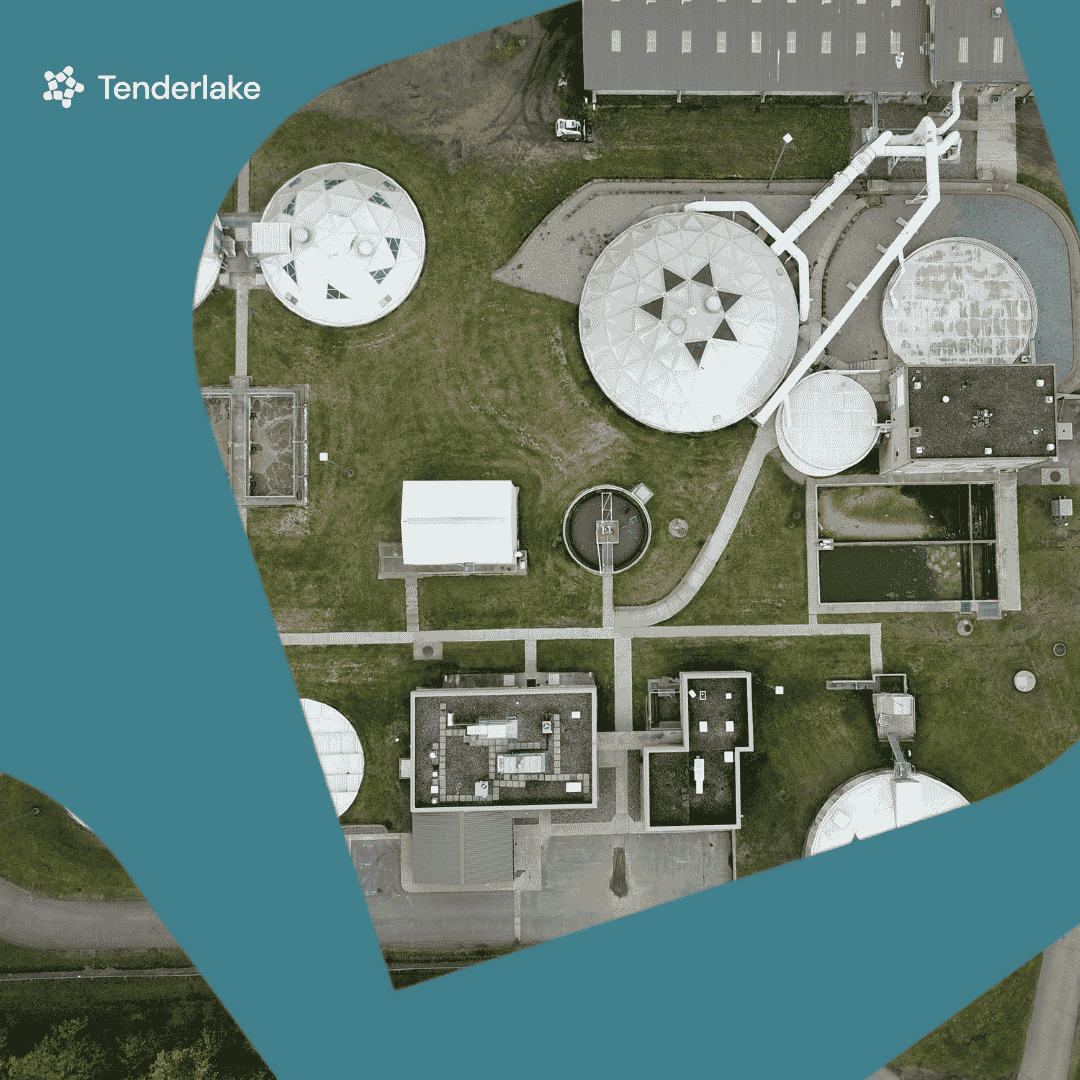
Water utility launches tender for gravimetric sludge system
A water utility seeks contractors to build a gravimetric sludge selection and aeration control system, signalling wider investment in smarter wastewater treatment.
A water utility seeks contractors to build a gravimetric sludge selection and aeration control system, signalling wider investment in smarter wastewater treatment.
Follow Tenderlake on LinkedIn for concise insights on public-sector tenders and emerging procurement signals.
An upgrade to the wastewater treatment plant in Rzeszów puts gravimetric sludge selection and aeration control at the centre of a new construction project. Miejskie Przedsiębiorstwo Wodociągów i Kanalizacji Sp. z o.o. is turning to specialist process engineering and EU‑compliant technologies, reflecting a broader push by European utilities to modernise how they handle sludge, energy use and environmental impacts.
On 25th September 2026, Miejskie Przedsiębiorstwo Wodociągów i Kanalizacji Sp. z o.o. published a contract notice for the Gravimetric Sludge Installation Project. The notice sets out plans to build a gravimetric active sludge selection installation and a new aeration control system at the city’s wastewater treatment plant.
The scope described is focused and technical. It covers construction works for both the sludge line and the aeration control system, rather than a wholesale reconstruction of the plant. The buyer also stresses that specific technologies and materials must comply with EU regulations, putting regulatory alignment at the heart of the contract.
That emphasis on compliance has implications for suppliers. Civil contractors, process-equipment manufacturers and control-system integrators will need to demonstrate that their solutions meet European requirements on materials, safety and environmental performance, as well as the detailed technical standards the buyer will set out in the tender documents.
Although the notice is short, the two systems it highlights are central to how a modern biological treatment plant works. Active sludge processes depend on maintaining the right composition and concentration of biomass, while aeration delivers the oxygen that makes biological treatment possible and often accounts for a large share of a plant’s energy use.
Gravimetric sludge selection installations are used to influence the quality of activated sludge by favouring certain fractions and controlling how solids move through the system. By investing directly in this part of the process, the Rzeszów utility is signalling that sludge quality and handling are now strategic issues in their own right, not just a by‑product of the main treatment line.
Across the region, 2026 contract notices show similar attention to the sludge line. In April 2026, Wodociągi Białostockie Sp. z o.o. w Białymstoku issued a notice for its Dewatered Sludge Storage Area Project, covering design, permits, construction, testing and staff training for a new 3,500 m² storage area at the city’s sewage treatment plant.
Around the same time, on 28th April 2026, Przedsiębiorstwo Wodociągów i Kanalizacji spółka z o.o. w Knurowie went to market for Dewatering Equipment Installation, seeking a complete sludge dewatering system with a chemical preparation and dosing station, alongside expansion and reconstruction of existing facilities.
Further downstream, in July 2026, Przedsiębiorstwo Wodociągów i Kanalizacji w Brzegu Sp. z o.o. published a notice for Sludge Management Building Construction, combining design with construction and assembly works for a modernised sludge-management unit, including new building facilities, installations and technological connections.
For Rzeszów, the choice to invest specifically in gravimetric active sludge selection fits neatly into this pattern. It shows that utilities are now planning dedicated projects for sludge handling and quality control, rather than treating them as minor elements inside broader civil‑works contracts.
The second pillar of the Rzeszów project is an aeration control system, pointing to the growing importance of automation and process control. Better control over aeration can support stable treatment performance and can be key to managing operating costs, even if the notice does not spell out such objectives explicitly.
Other 2026 tenders underline how control systems, cybersecurity and regulatory compliance are moving to the foreground. On 29th April 2026, Przedsiębiorstwo Wodociągów i Kanalizacji Spółka z ograniczoną odpowiedzialnością launched a Wastewater Treatment Plant Modernization in Bukowno, explicitly addressing technical deficiencies while incorporating updated cybersecurity requirements and adapting to changing groundwater conditions.
In May 2026, Przedsiębiorstwo Wodociągów i Kanalizacji Spółka z o.o. w Gliwicach published a contract notice for Sewage Treatment Plant Expansion. That project, co‑financed by national and European funds, focuses on energy efficiency and accessibility as part of the reconstruction and expansion of the central plant.
Beyond process water, air management is also getting attention. On 24th September 2026, Aquanet S.A. set out plans for Air Extraction Systems for Wastewater Plant in Borówiec, combining design, delivery and installation of air extraction and a new two‑stage deodorisation system, alongside upgrades to existing facilities to improve ventilation and odour elimination.
Similar concerns appear across borders. In July 2026, Východoslovenská vodárenská spoločnosť, a.s. launched the WWTP Giraltovce Modernization, which includes new technological equipment, modifications to treatment facilities, and construction of pipelines and electrical installations, all framed by compliance with safety and environmental standards.
Rzeszów’s insistence on technologies and materials that meet EU regulations aligns with these trends. Together, they show utilities treating compliance, control and energy performance as core design parameters, not afterthoughts.
The gravimetric sludge project in Rzeszów is also part of a much wider capital programme in the water sector, spanning drinking water, wastewater and waste treatment. In April 2026, Zakład Wodociągów i Kanalizacji sp. z o.o., acting through Łódzkie Inwestycje sp. z o.o., published a notice for Water Treatment Plant Construction at the Graniczna plant and Chojny pumping station in Łódź, combining comprehensive construction, modernisation and a range of associated infrastructure.
A follow‑up notice in June 2026 from the same buyer, also titled Water Treatment Plant Construction, again points to the scale and complexity of the works, including tanks, buildings and access systems. These projects underline that investment is not confined to wastewater alone; clean‑water assets and pumping stations are also being rebuilt.
At wastewater plants, many utilities are opting for staged modernisation rather than full replacement. In August 2026, Miejski Zakład Wodociągów i Kanalizacji w Nowym Targu sp. z o.o. went to market with a Wastewater Treatment Plant Modernization focused on the mechanical‑biological section, with a clear requirement to enhance operational efficiency without disrupting current operations.
Just days later, Miejskie Wodociągi i Kanalizacja Sp. z o.o. announced a similar Wastewater Treatment Plant Modernization in Ostrowiec Świętokrzyski, combining design, construction works and equipment installation to increase safety and reliability while keeping wastewater treatment running throughout.
Resilience is also a theme. On 4th August 2026, Gmina Paczków published a notice for Wastewater Treatment Plant Reconstruction that must account for the challenges of a floodplain location, while Wodociągi i Kanalizacja "AKWA" Sp. z o.o. is pursuing Wastewater Treatment Plant Reconstruction in Nysa to eliminate obsolete structures and improve operating conditions without changing the plant’s technological scheme or capacity.
Energy is never far from the surface. On 25th June 2026, GMINA SOŚNICOWICE went out to tender for Photovoltaic Installations for Water Facilities, seeking the design, delivery and installation of solar systems with at least 165.545 kWp across several sewage treatment plants and water treatment stations. This sits alongside waste‑sector projects such as the Biodegradable Waste Composting Plant Construction in Konin and aerobic waste‑processing upgrades in Bieruń, pointing to a joined‑up approach to water, energy and waste streams.
Within this landscape, Rzeszów’s gravimetric sludge and aeration‑control project looks like a targeted piece of a much larger modernisation puzzle: a focused intervention in core treatment processes that can sit alongside bigger reconstruction and energy‑generation schemes.
The Rzeszów notice offers only a concise description of the works, so much will depend on the detailed technical specifications and contract conditions made available to bidders. Even so, a few points already stand out:
Suppliers will be watching to see how far the project integrates with other upgrades at the Rzeszów site and whether subsequent tenders follow, as they have in cities pursuing multi‑stage programmes for treatment, sludge, energy and odour control. For now, the Gravimetric Sludge Installation Project stands as a clear signal that the fine detail of sludge selection and aeration is now a priority area for investment.
Tenderlake Monitor reads every public sector notice published across the UK, the EU and the EEA, in the language it was published in, and tells you which ones match what your company sells and why. It works from a plain description of your business, not from keywords or CPV codes.
Follow Tenderlake on LinkedIn for concise insights on public-sector tenders and emerging procurement signals.